
Projects
Calls For Justice
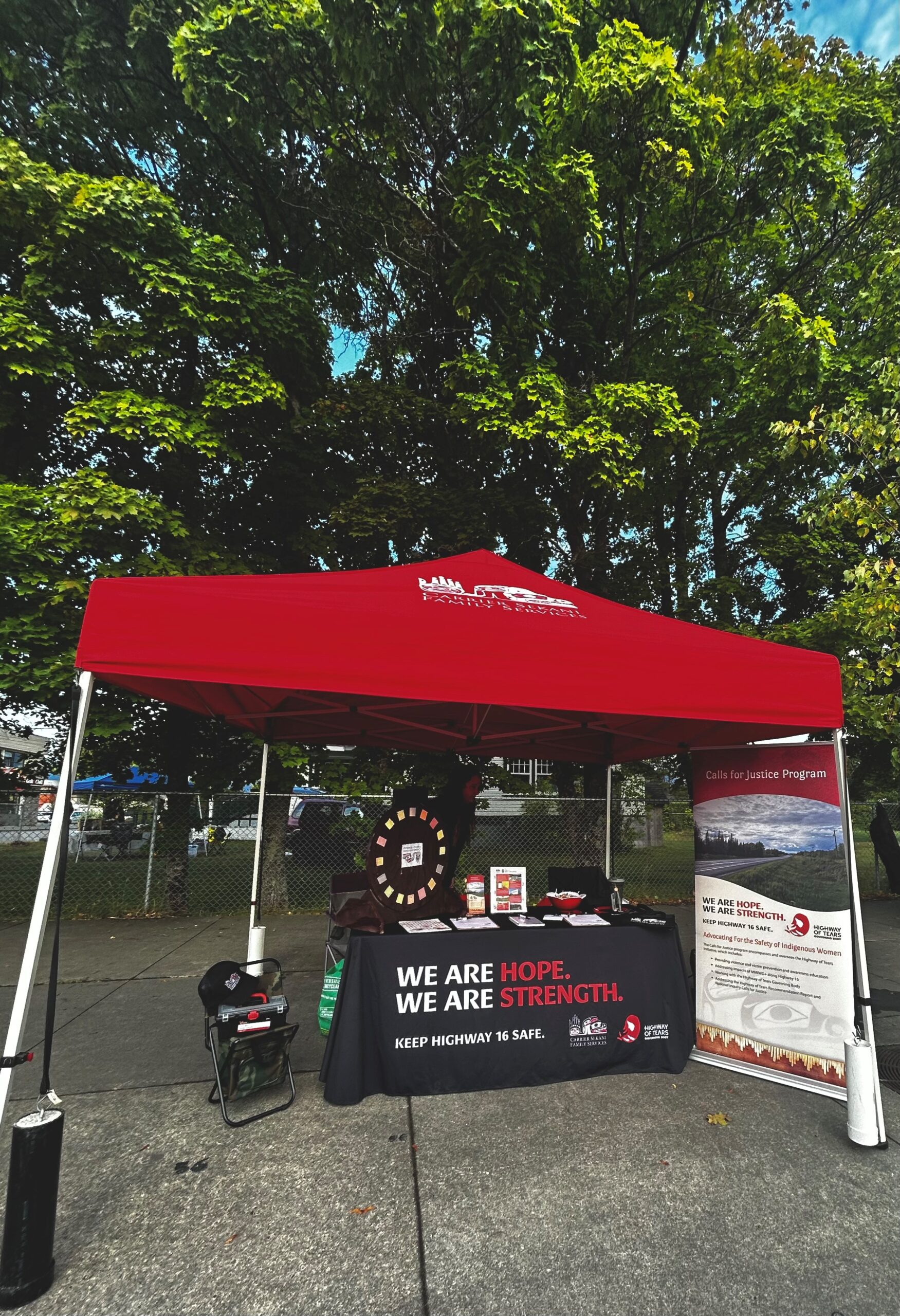
The Carrier Sekani Family Services (CSFS) Calls for Justice program encompasses and oversees the Highway of Tears Initiative, which addresses historical and systemic issues that have contributed to women and girls going missing and being murdered along the Highway 16 corridor.
The Calls for Justice program advocates for the safety of Indigenous women in alignment with the 33 Recommendations from the 2006 Highway of Tears Symposium Report and the 231 Calls for Justice from the National Inquiry into Missing and Murdered Indigenous Women and Girls (MMIWG). We also provide violence prevention and awareness education for individuals, communities, and service providers situated along the Highway of Tears corridor.
View the 231 Calls for Justice here.
Research Projects
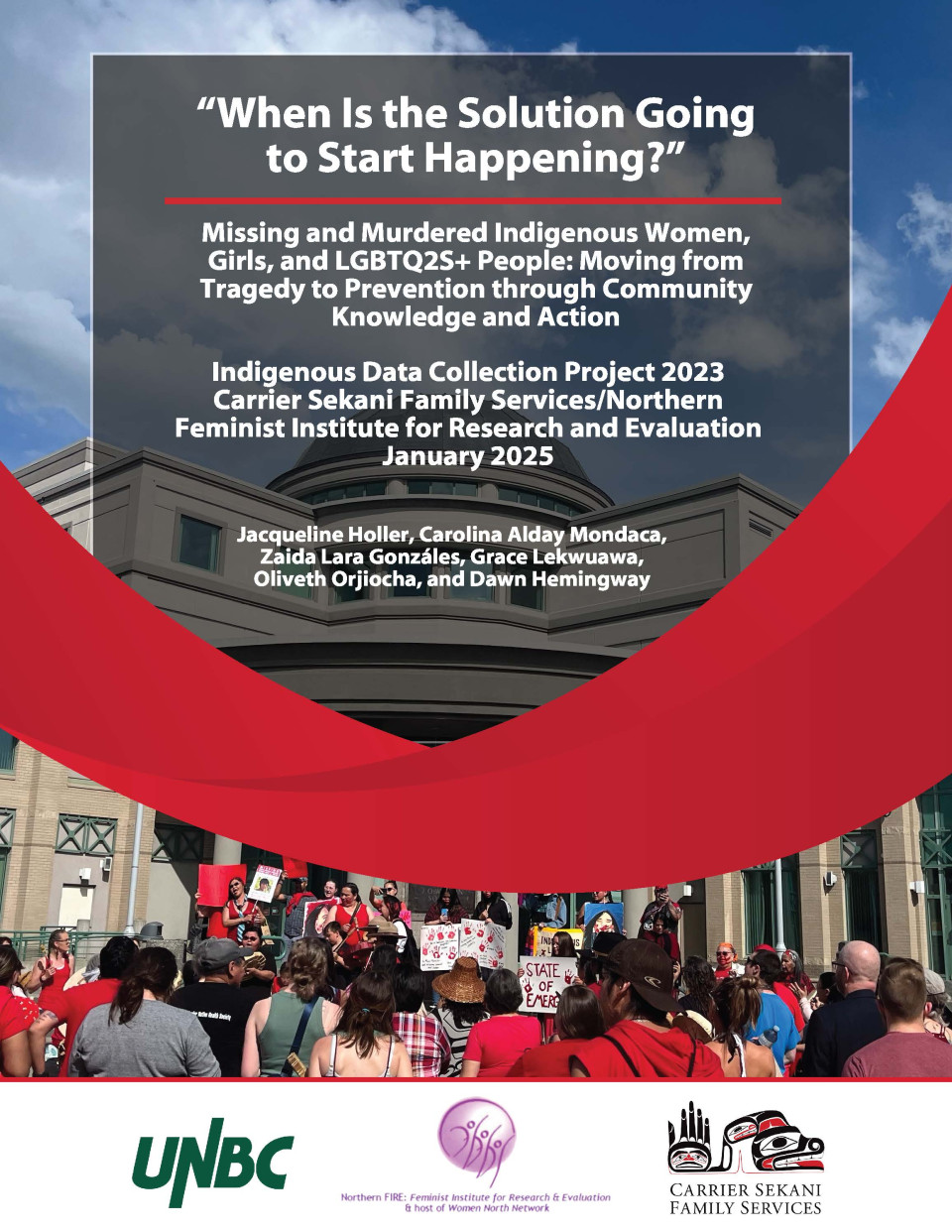
In collaboration with the Northern Feminist Institute for Research and Evaluation (Northern FIRE) at the University of Northern British Columbia (UNBC), Carrier Sekani Family Services has been conducting research evaluating best practices for reducing violence toward Indigenous women, girls, and 2SLGBTQQIA+ people along the Highway of Tears.
To learn more, please visit our Research Projects page.
Pillars of Hope & Strength
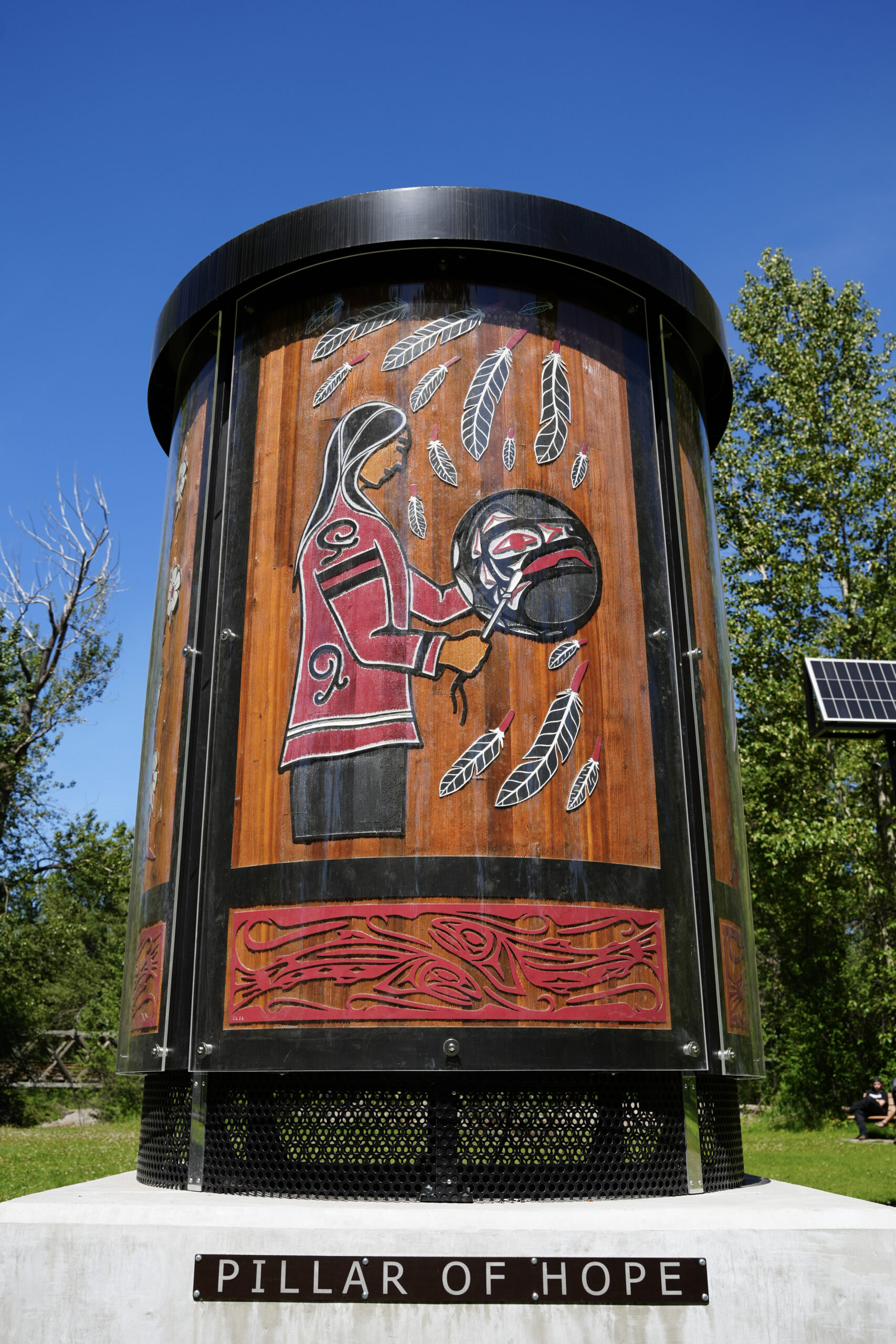
Carrier Sekani Family Services (CSFS) and MMIWG family members are leading the creation of two artistic pillars, the Pillars of Hope and Strength, to commemorate the women and girls whose lives have been lost to violence along the Highway of Tears and to honour their loved ones.
The Pillar of Hope was unveiled at Cottonwood Island Park in April 2026. CSFS and the Tears to Hope Society are now collaboratively working on building the Pillar of Strength in downtown Prince Rupert. Once completed, the pillars will serve as important awareness markers and peaceful visiting places for families and the broader community to remember these women and girls.
To learn more about this project, please visit our Pillars of Hope & Strength page.
Hope & Strength Billboards
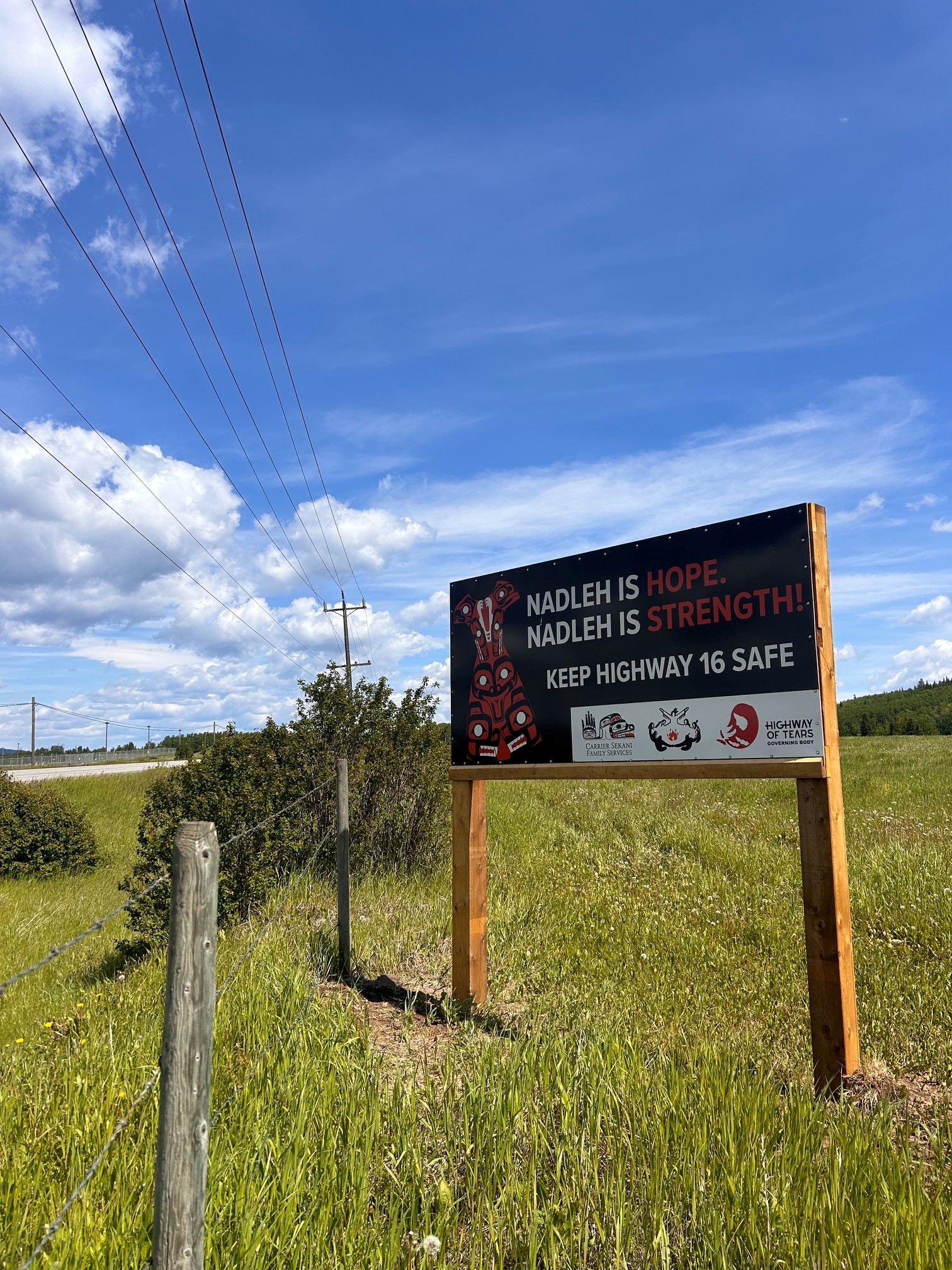
Located between Prince George and Smithers, the billboards feature images and messaging of hope and strength to highlight the value of Indigenous people and communities in northern BC and convey that we are all stronger together. We hope that these billboards will create a moment to pause, remember, and honour the Highway of Tears victims and their families, as well as to reflect on what we all can do to make this highway and the communities surrounding it a safer place.
For more information about this project, please visit our Billboards page.
Community Safety Toolkit
The CSFS Calls for Justice team is in the process of revising our Community Safety Toolkit. Once completed, the revised Toolkit will be shared with Indigenous communities across northern BC in person and across Canada on a website called Our Spirit, which will be launched shortly.
To learn more, please visit our Community Safety Toolkit page.
20th Anniversary Highway of Tears Symposium
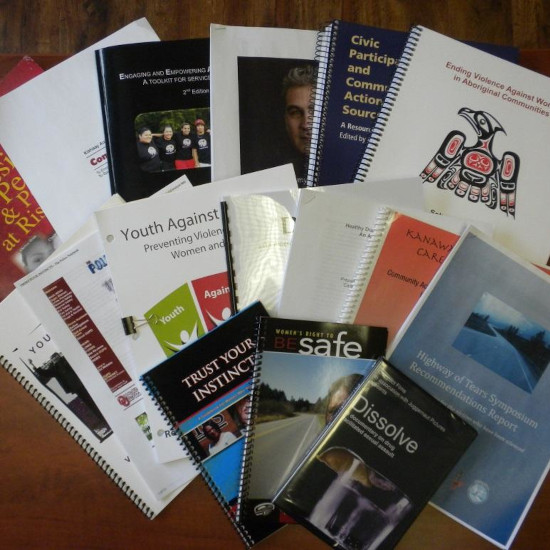
In April 2026, Carrier Sekani Family Services (CSFS) hosted a 20th Anniversary Commemoration of the 2006 Highway of Tears Symposium at the Prince George Civic and Conference Centre. Guided by the theme “Where We Have Been, Where We Are Now, and Where We Are Going,” this event included presentations, panels, and discussions of the 33 Recommendations that were outlined in the Highway of Tears Recommendations Report released after the original Symposium in 2006.
For more information, please visit our 20th Anniversary Highway of Tears Symposium page.
Stories of Hope & Strength
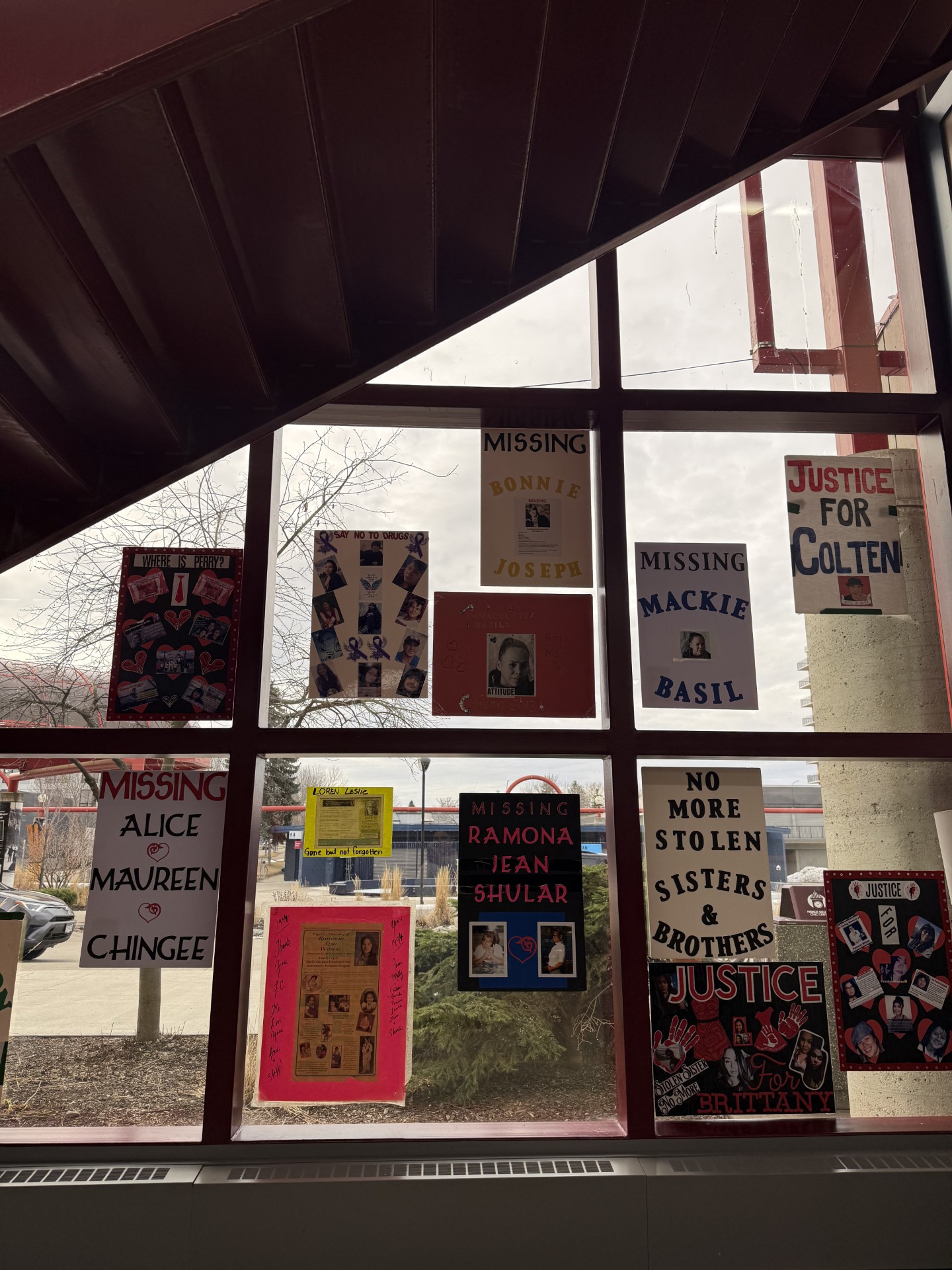
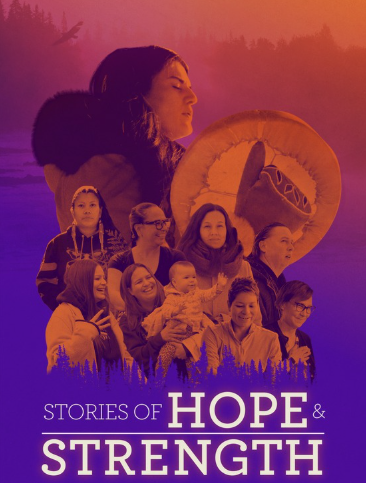
In 2023, Carrier Sekani Family Services (CSFS) received funding from Women and Gender Equality Canada to create a series of short films highlighting the hope and strength that exist in Indigenous communities and, in particular, within Indigenous women and girls in northern British Columbia and across Canada.
The film series, titled “Stories of Hope and Strength,” was completed in 2024 and consists of eight short films that are freely available for viewing on the project’s Youtube page: www.youtube.com/@StoriesofHopeStrength.
To read more about this film series, please visit our Stories of Hope & Strength page.
Media
All media inquiries can be directed to Andrea Palmer, CSFS Director of Communications at apalmer@csfs.org.